
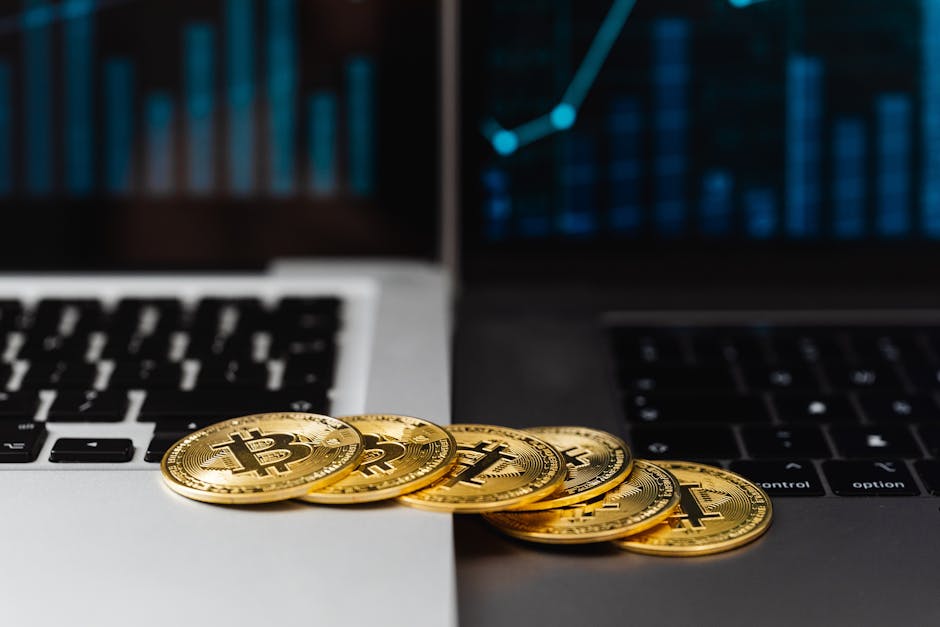
A secure crypto exchange is not just about protecting funds-it directly affects the fees you pay and the liquidity you access. Exchanges with robust security protocols attract institutional traders and high-volume participants. This influx of capital deepens the order book, reducing slippage and allowing you to execute large trades near the market price. Lower volatility spreads mean you save on hidden costs. For active traders, pairing security with a reliable innovative trading platform can further optimize execution speed and fee structures.
Security breaches historically lead to exchange insolvency or temporary shutdowns, freezing assets and destroying liquidity. A platform that invests in cold storage, multi-factor authentication, and regular audits maintains continuous operation. This stability ensures that even during market stress, you can enter or exit positions without excessive spreads. The result is a direct correlation between security measures and the ability to trade at minimal cost.
Secure exchanges often offer tiered fee structures based on 30-day trading volume. As you trade more, your maker and taker fees decrease. High liquidity pools enable these discounts because the exchange earns from spread volume rather than inflating per-trade costs. For instance, a platform with deep BTC/USDT order books can charge 0.1% or less, while insecure or illiquid venues may demand 0.5% or more to compensate for risk.
Liquidity is measured by the number of buy and sell orders at various price levels. A secure exchange aggregates orders from retail, institutional, and algorithmic traders. This creates a dense order book where a $100,000 order might move the price by only 0.01%. In contrast, a low-liquidity environment causes significant slippage, eroding profits. Security builds trust, which attracts market makers who provide continuous liquidity.
Execution quality also depends on the exchange’s matching engine. Secure platforms invest in low-latency infrastructure to process trades in milliseconds. This prevents front-running and ensures your order fills at the intended price. When you combine low fees with tight spreads, the cost advantage compounds over hundreds of trades. For day traders and scalpers, this is the difference between consistent gains and steady losses.
Beyond fees and liquidity, security reduces counterparty risk. Exchanges with insurance funds (e.g., against hacking) and proof-of-reserves audits provide transparency. If the platform suffers a breach, insured user funds are reimbursed, preventing liquidity freezes. This assurance allows you to keep assets on the exchange for active trading without worrying about withdrawal delays during volatile periods.
Additionally, secure exchanges enforce strict KYC/AML procedures. While this adds friction for new users, it deters malicious actors who might manipulate markets or wash trade. Clean order books mean the volume you see is real, not artificially inflated. This integrity is crucial for technical analysis and strategy backtesting. You trade based on genuine supply and demand, not fabricated data.
A secure exchange uses cold storage for most funds, offers 2FA, undergoes regular third-party security audits, and maintains an insurance fund for user assets.
Low fees reduce the cost per trade, allowing high-frequency strategies to remain profitable even with small margins. Combined with high liquidity, slippage is minimized.
Rarely. Insecurity drives away institutional capital, reducing order book depth. Temporary liquidity may appear but vanishes during market stress, increasing slippage.
Slippage is the difference between expected and actual trade price. Secure exchanges attract more participants, creating tighter spreads and lower slippage for large orders.
No. Many secure platforms offer competitive fees (0.05%–0.1%) due to high trading volumes. Insecure exchanges often charge higher fees to offset operational risks.
Marcus L.
I moved my portfolio to a secure exchange after a minor hack on a smaller platform. The difference in trade execution is night and day. My slippage on ETH trades dropped from 0.3% to under 0.02%. Fees are also 40% lower.
Sarah K.
As a scalper, I need tight spreads and low fees. This platform delivers both. The security audits gave me confidence to keep funds on the exchange, and the liquidity is deep enough for my 10 BTC daily volume.
James T.
I was skeptical about leaving assets on an exchange, but the proof-of-reserves and insurance fund changed my mind. My trades now cost 0.08% instead of 0.25%, and I never experience order book gaps.